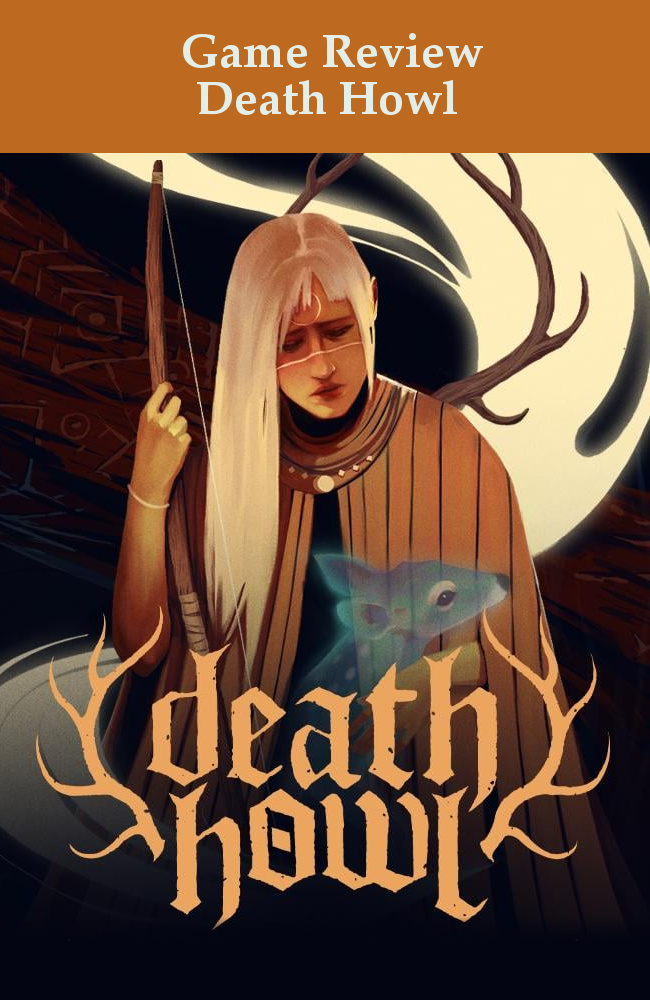
Death Howl is a game that came out at the end of last year, a tactical deck builder that immediately grabbed my interest with its striking art style and haunting atmosphere.
The story takes place in 6000 BC, following a grieving Mesolithic hunter named Ro as she embarks on a quest to save her dead son’s soul from the spirit world. It’s a simple narrative, but effectively told, providing a strong emotional backbone for an otherwise gameplay-heavy experience. The spirit world of Death Howl is a realm of grotesque beauty, full of wonders and horrors that mirror the themes of love and loss permeating the narrative. It’s a story after my own heart in that regard, focusing on the bittersweet contrasts between the best and worst life has to offer while exploring how we cope when something precious is taken away. As you might expect from a story taking place in a realm of otherworldly symbolism, it’s as much about the real process of grieving as it is about confronting monstrous spirits and exploring liminal vistas.
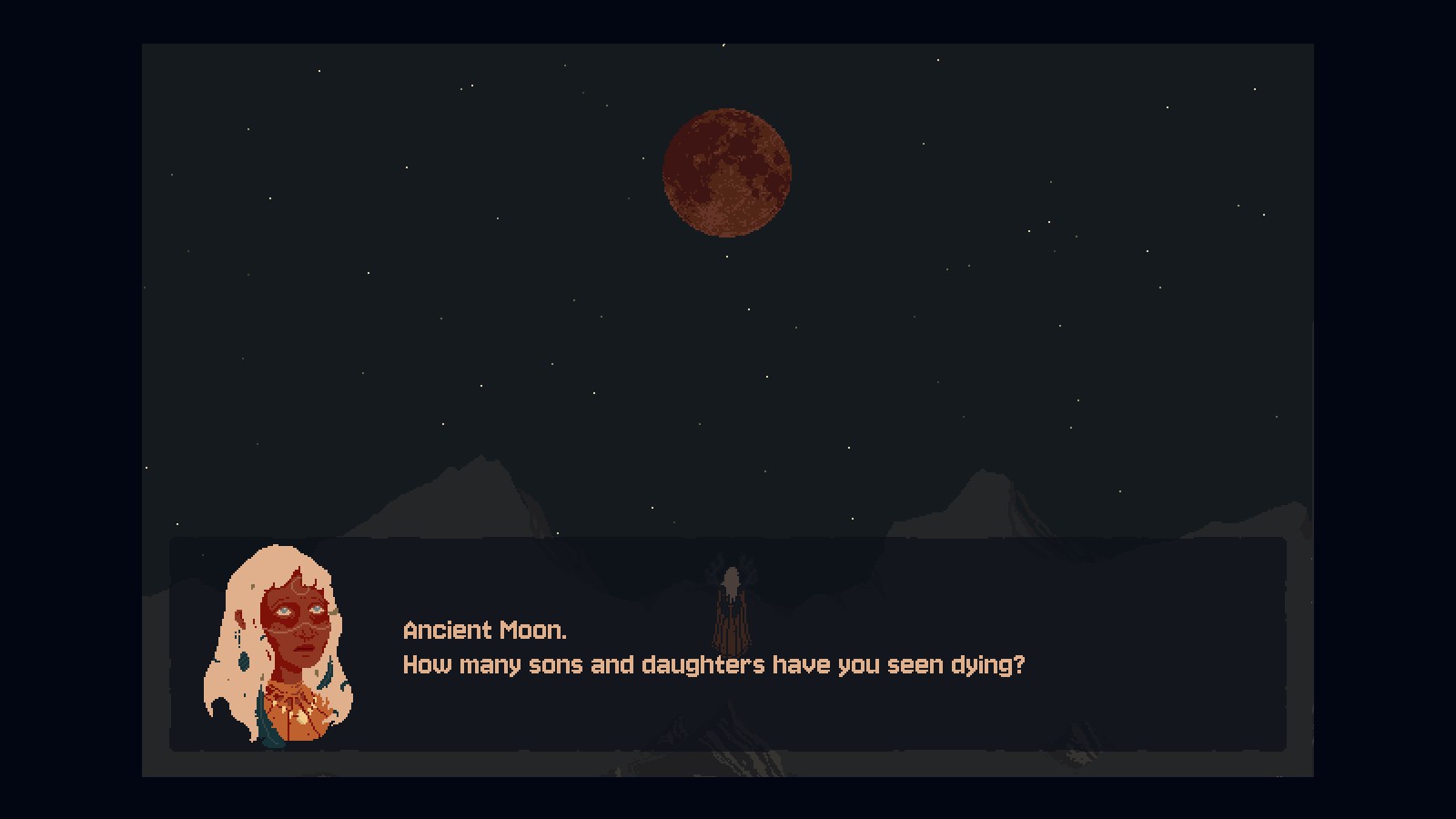
For much of the experience, I was more caught up in the atmosphere than the story itself. There isn’t a lot of forward momentum in the narrative beyond vague glimpses about what happened to Ro’s son, but there doesn’t need to be. This isn’t a story-heavy game, yet it still manages to deliver a gripping and emotional climax. There’s enough foreshadowing to cotton you on to where things are headed, yet there are still some nice twists that take you off guard. Despite being light on dialogue and narration, the game has a lot of heart, and it sticks the landing when it comes time to make its point.
The gameplay that comprises the meat of the experience is a combination of familiar elements blended to create something fresh. For those who play a variety of games, it’s easy to recognise the influences behind many of Death Howl’s mechanics. Yet despite that, I’ve never played anything quite like it. I’ve seen a lot of people referring to the game as a deck-building Souls-like, taking the card game mechanics of titles like Slay the Spire and combining them with a punishing level of difficulty comparable to Fromsoft’s Dark Souls series.
While there are some mechanics, such as losing currency on death, that are reminiscent of Dark Souls, Death Howl reminded me far more of Fromsoft’s more recent title, Elden Ring. Elden Ring was characterised by a large open world full of difficulty walls that encouraged you to go away and come back when you were stronger. Death Howl mirrors this setup with an open world that can be explored in any order, even going so far as to let you attempt the final area fairly early on. This leads to various difficulty spikes that at first seemed uneven to me, until I realised I could simply leave and try something else if I was struggling. Once that clicked, I found the game’s exploration and progression to be incredibly engaging.
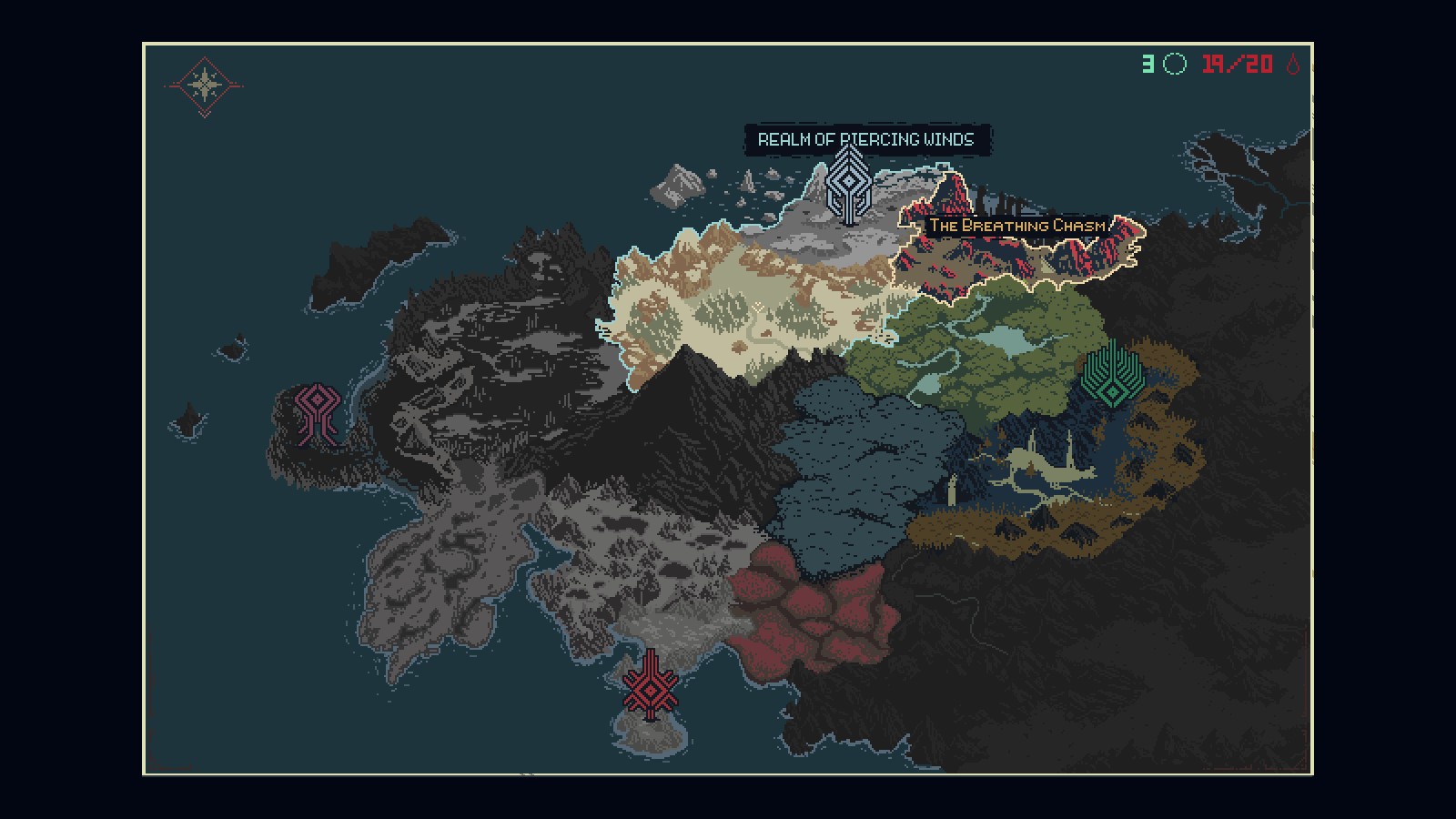
On the card game front, Death Howl will have you crafting a deck using the resources you gather from engaging in combat with the spirit world’s denizens. Most deck builders in recent years have adopted a run-based formula that has you rebuilding a randomised deck from scratch every hour or so. Death Howl doesn’t do this. Every card you obtain can be kept forever. Considering the game can last upwards of 25 hours, this could easily have led to some tedium once you crafted a strong deck and had no more need to refine it. This problem is neatly sidestepped by associating each card with one of the game’s four main regions. If you use a card outside its region, it becomes significantly weaker; not useless, but neutered enough to make you think carefully about using it in a deck. This caveat means you’ll be building at least four main decks as the game progresses, one for each region, and switching back and forth as you hop between areas to search for overlooked secrets and complete sidequests.
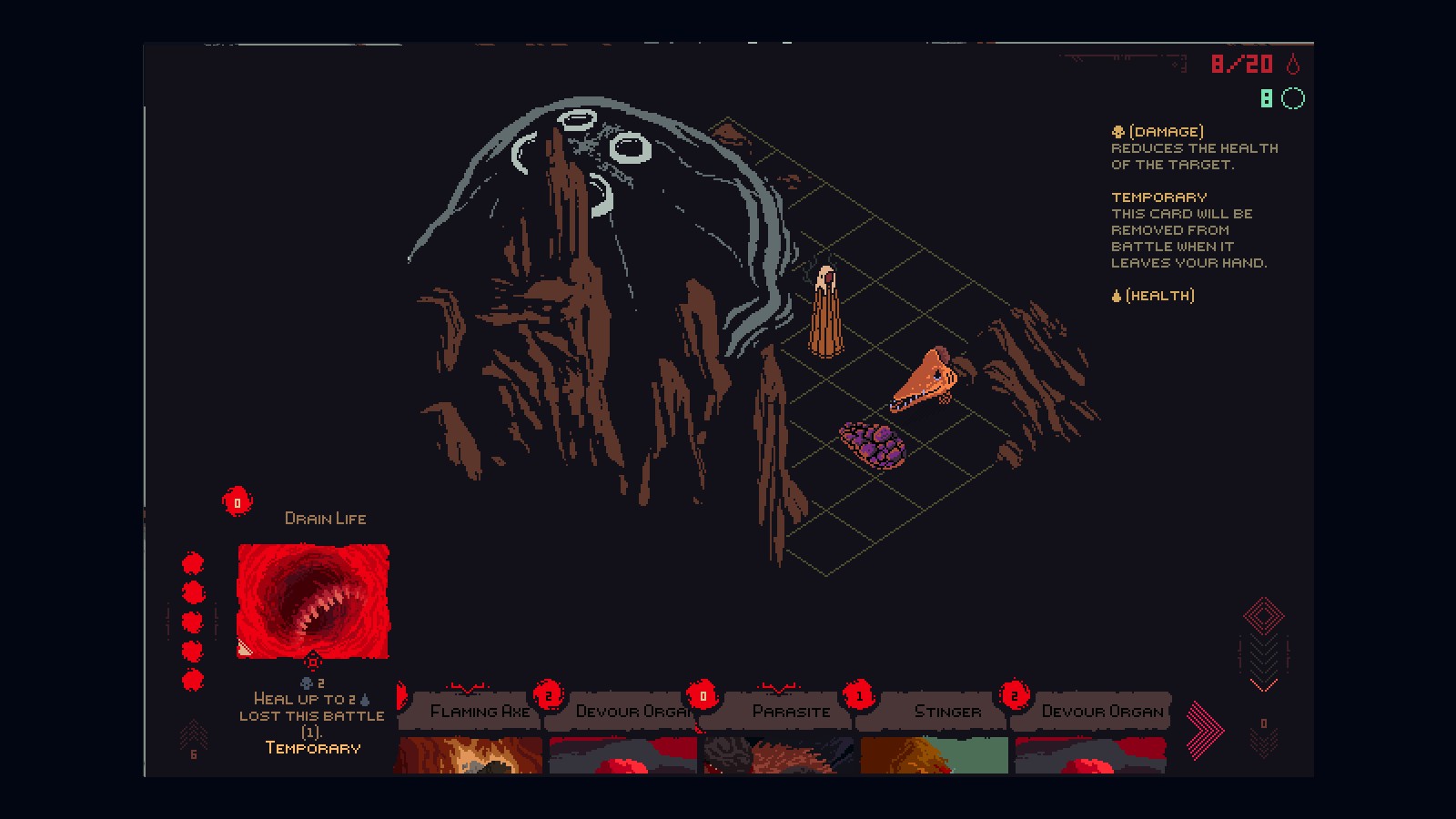
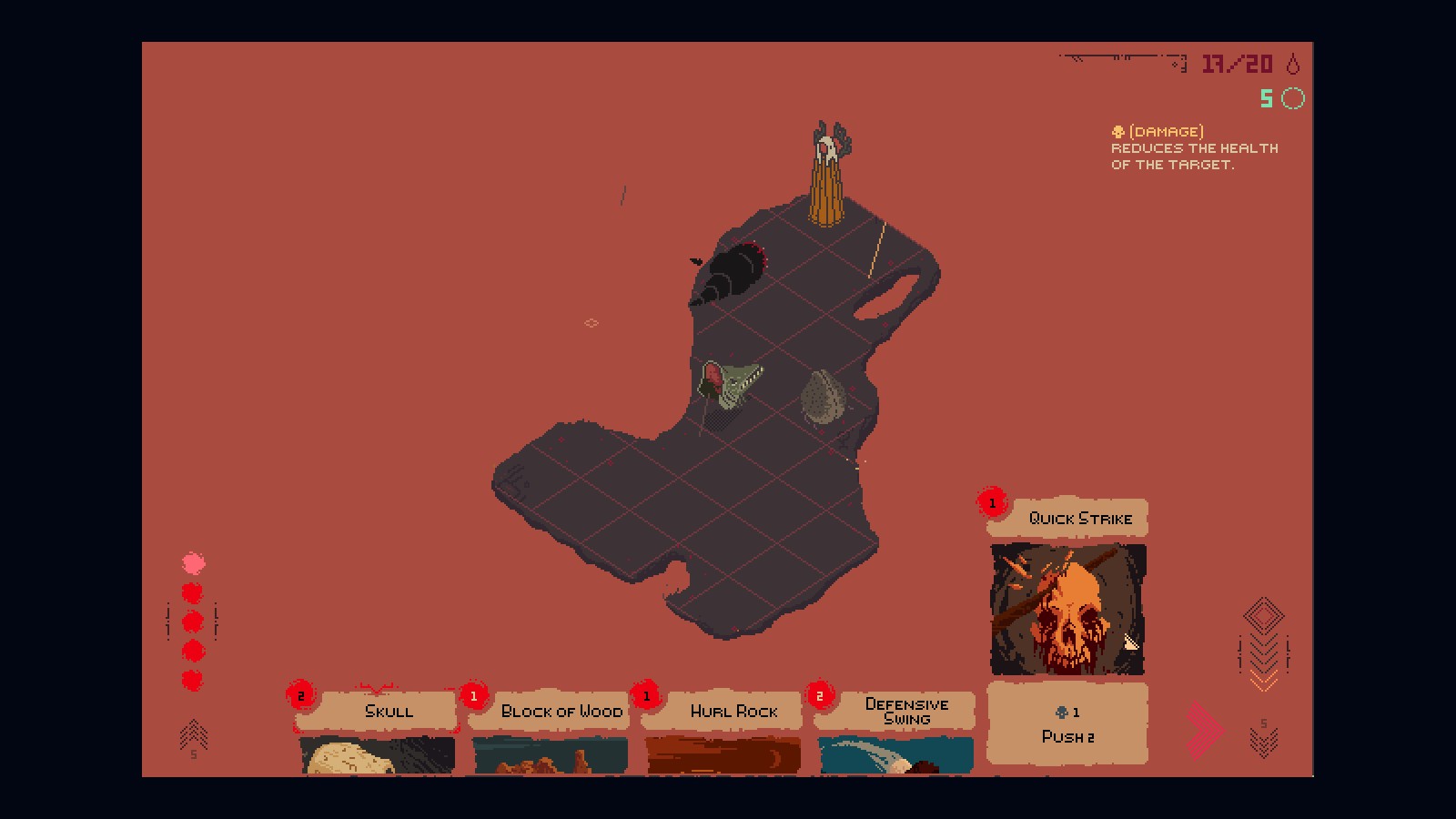
I found myself getting engrossed in both the deck building gameplay and the turn-based tactical combat it enables. Each card in your deck functions as an attack, a defensive ability, a movement skill, or some form of utility. Different decks will synergise with different cards, and you’ll always want a healthy variety of options in your draw pool so you aren’t caught in a situation where you’re unable to deal damage or evade an enemy at a critical moment
The grid that battles play out on is reminiscent of games like Into the Breach, where a chess-like approach to planning and anticipating enemy moves is key to victory. There are elements of randomness (you rarely know exactly which cards you’ll draw or what move an enemy will use), but enough information is surfaced to allow for a large amount of foresight. This strikes a great balance between unpredictability and staleness. Encounters can never be “solved”, yet they’re not so random as to feel chaotic either.
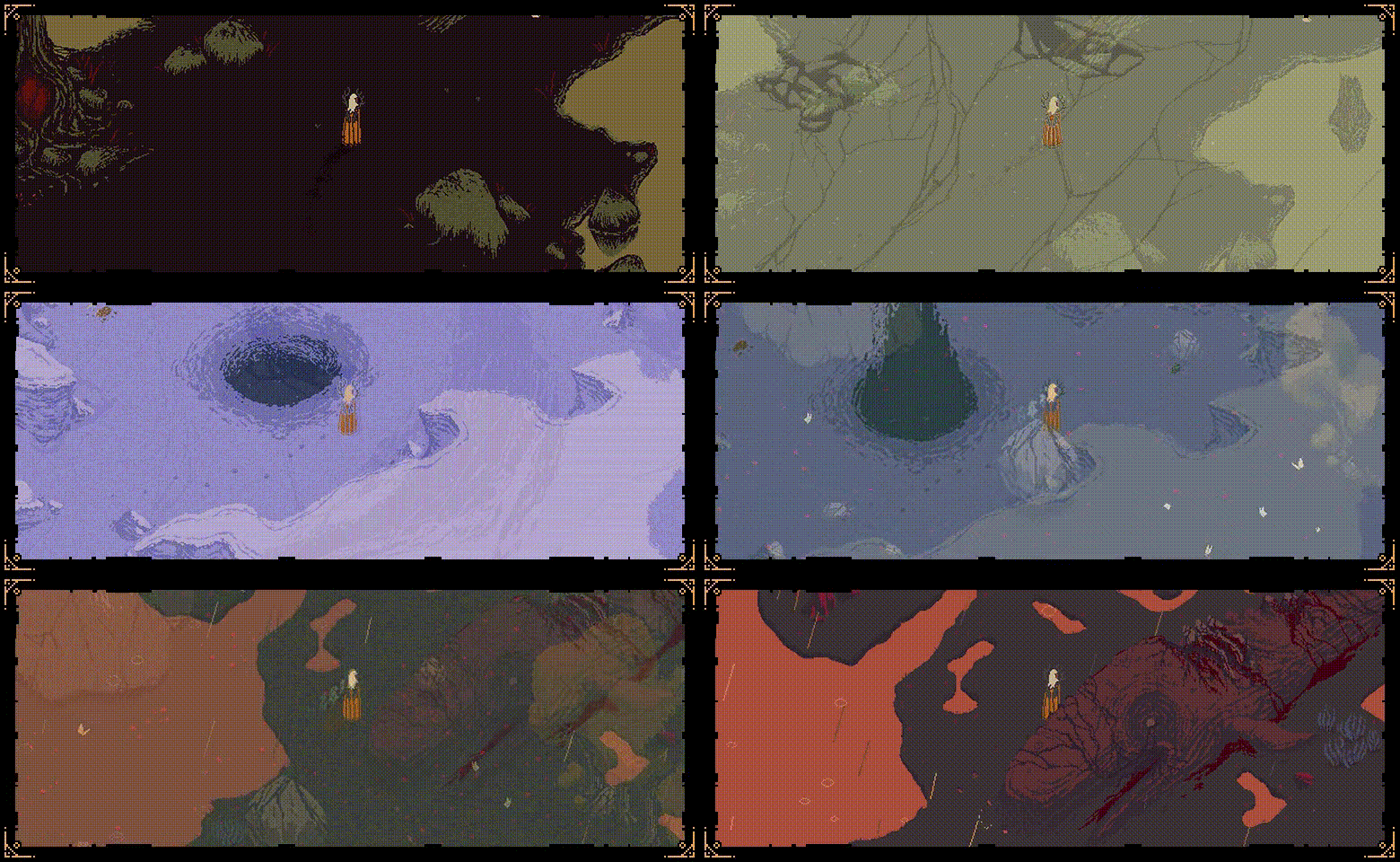
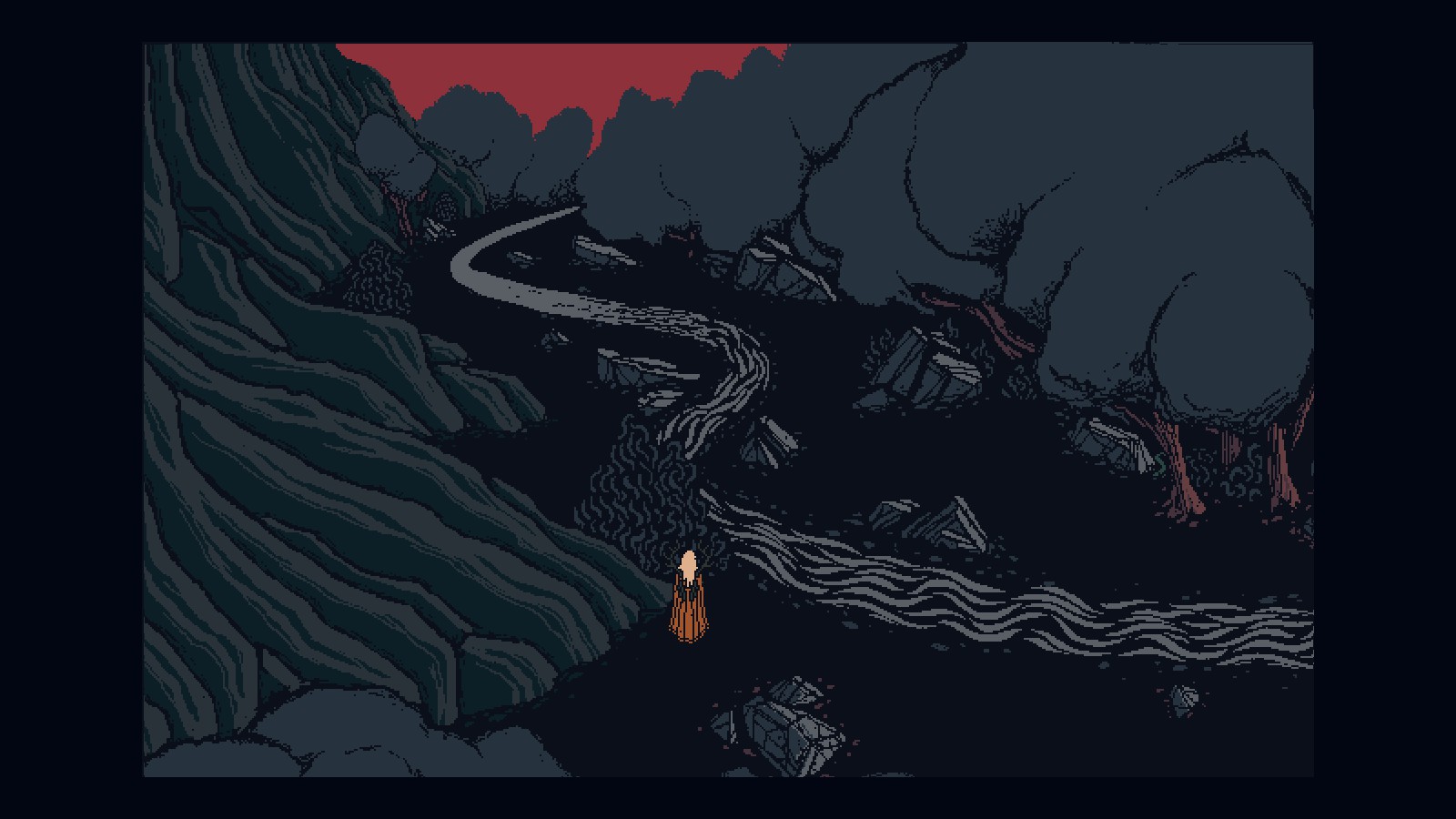
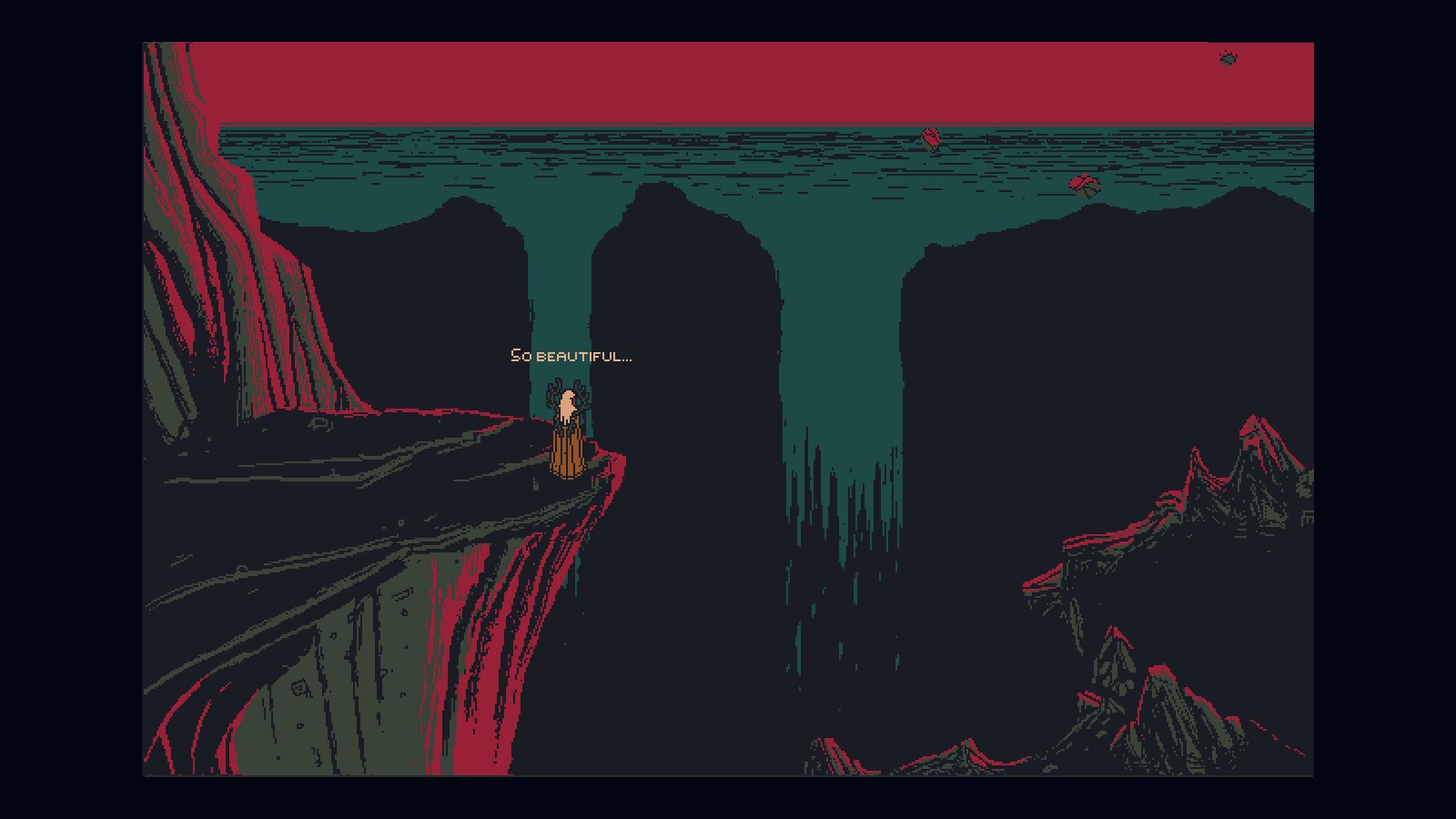
Gameplay and story aside, perhaps the most striking element of Death Howl is its atmosphere. I adored the unique pixel art that makes heavy use of negative space, echoing the look of early games with limited rendering capacity. It matches the story’s dark and eerie mood, calling to mind an era when game design was far less codified and you never knew quite what to expect from a digital adventure. The world and creature design is an unsettling mix of the familiar and the horrific. Some denizens of the spirit world are as innocuous as frogs and dragonflies, while others resemble giant rotting teeth and severed fish heads. Decaying bark cracks open to release huffing clouds of spores as you traverse gloomy marshes, and giant twitching jellyfish drape the cliffs on the coast of an endless sea.
The mood is as chilling as it is divine. Parts of Death Howl had me tense and on edge, while others had me wonderfully relaxed as I soaked in the ambient melancholy. The music and sound design are worthy of as much praise as the visuals. Enemies snap, crack, creak, and caw with all the skin-crawling notes you’d expect of skittering monsters in a dark fantasy world. The music has a pronounced use of traditional instruments that evoke the Mesolithic period, combined with eerie snyths that highlight the spirit world’s alien nature. Leather drums and wooden chimes are interrupted with stings of synthetic music and sombre electronic drones. It’s a wonderfully understated soundtrack that understands the mood it’s going for and works in harmony with the gameplay and visuals to achieve it.
I only ran into a few very minor issues with the game. There were a handful of visual bugs that should hopefully be resolved by the developer in time, and a few lines of dialogue that struck me as a touch anachronistic. Perhaps the game could have been five or so hours shorter, but I did go out of my way to complete everything rather than focusing on the main objective. Everything that truly matters is executed very well, and there’s plenty of content to sink your teeth into for a game made by a small team at a low price point.
Overall, I had a great time with Death Howl. I’ll be listening to the soundtrack and thinking about the visuals for weeks to come. Wandering the haunting realms of the spirit world was a truly memorable experience, and I’d be very excited to see more games from this developer in the future.
If you enjoy challenging deck builders with strong atmosphere and a focus on exploration, give this one a look.
You can purchase Death Howl on Steam and GoG now.
 Kelly River